
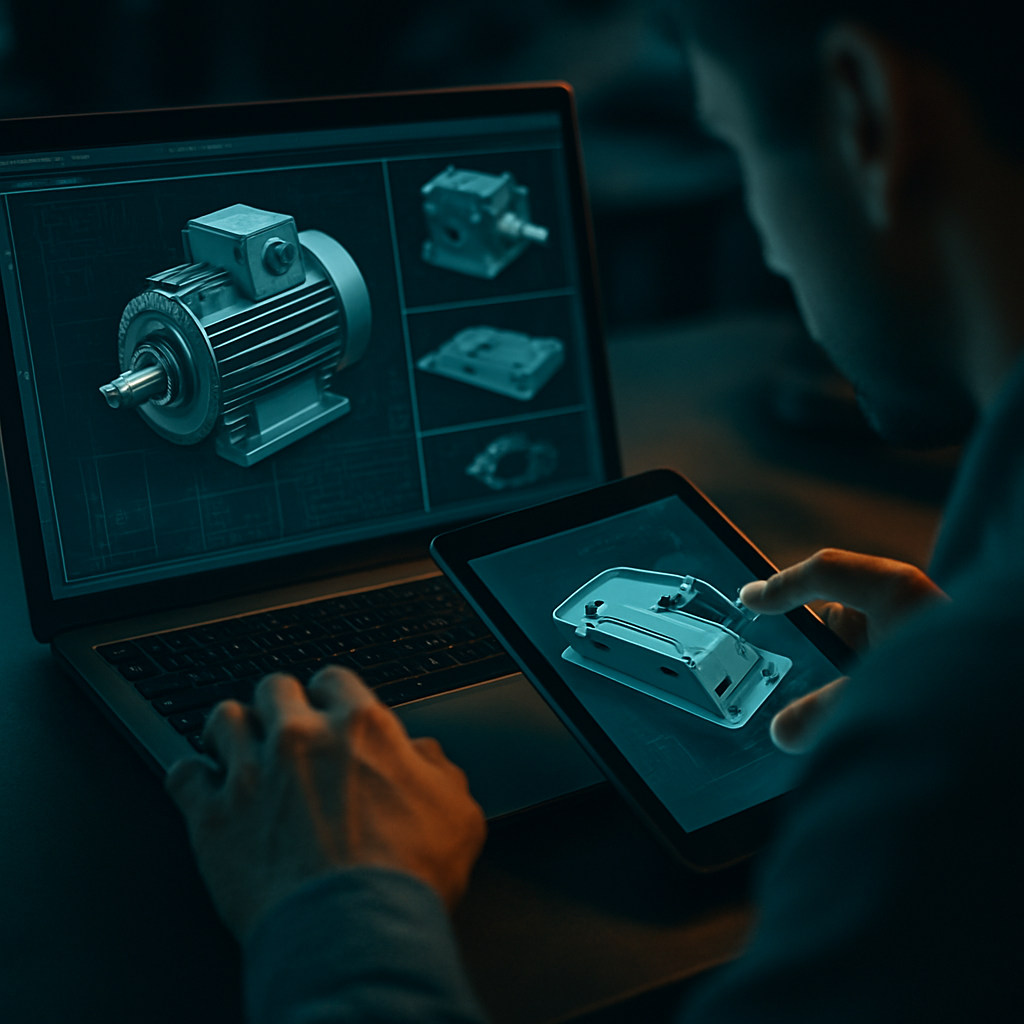
Engineering’s New Product Paradigm
In an eye-opening shift, Anthropic’s recent decision to hire more product managers instead of reducing their numbers highlights a significant transformation in the engineering landscape. The introduction of Claude Code has enabled engineering teams to produce work at a rate three times their actual size, shifting the bottleneck from code execution to decision-making.
The Evolution of the Engineer’s Role
Traditionally, software engineering involved a predictable sequence: learning the technology, writing code, and escalating issues as needed. However, this workflow has evolved dramatically:
- The Stack Overflow Era: Engineers relied heavily on Stack Overflow for troubleshooting until ChatGPT’s launch in late 2022.
- The Browser-Tab Era: Engineers began using AI tools outside their IDEs, enhancing their productivity but still operating within a familiar loop.
- The IDE-Native Era: AI tools like Claude Code integrated directly into IDEs, allowing engineers to work more independently.
- The Spec-Driven Era: Teams are now able to compress timelines significantly, focusing more on clear specifications than on coding time.
- The Routines Era: Engineers now orchestrate automated tasks, shifting their focus from writing code to managing workflows.
Why This Shift Matters
The engineering landscape is rapidly changing, and understanding this shift is crucial for professionals in the field:
- Increased Demand for Product Thinkers: As engineering output increases, the need for product management and decision-making has never been greater.
- Fundamentals Are Key: Knowledge of core principles remains essential, as AI tools cannot fully replace human insight.
- Review Skills Are Critical: With the ability to generate code at unprecedented rates, the importance of thorough code review has skyrocketed.
Practical Takeaways for Engineers
To thrive in this new paradigm, engineers should:
- Engage directly with customers to understand their needs.
- Generate and validate ideas proactively, rather than waiting for direction.
- Work backwards from customer success to ensure alignment with business goals.
- Embrace the collaborative nature of modern engineering, leveraging AI tools as partners rather than replacements.
Conclusion: Embracing the Future
The next decade will reward engineers who adapt to this new product paradigm. Those who embrace the shift from coding to decision-making will find themselves at the forefront of innovation. Meanwhile, those who remain passive will watch as their roles evolve around them.
If you’re looking to harness the power of AI in your engineering practices, consider BlockNova’s services. We offer AI consulting, AI agent architecture, self-hosted LLM/AI agent hosting, and server hosting to help you navigate this new landscape effectively.
Source: Claude Code turned every engineer into three. Now companies need more product thinkers

0 Comments