
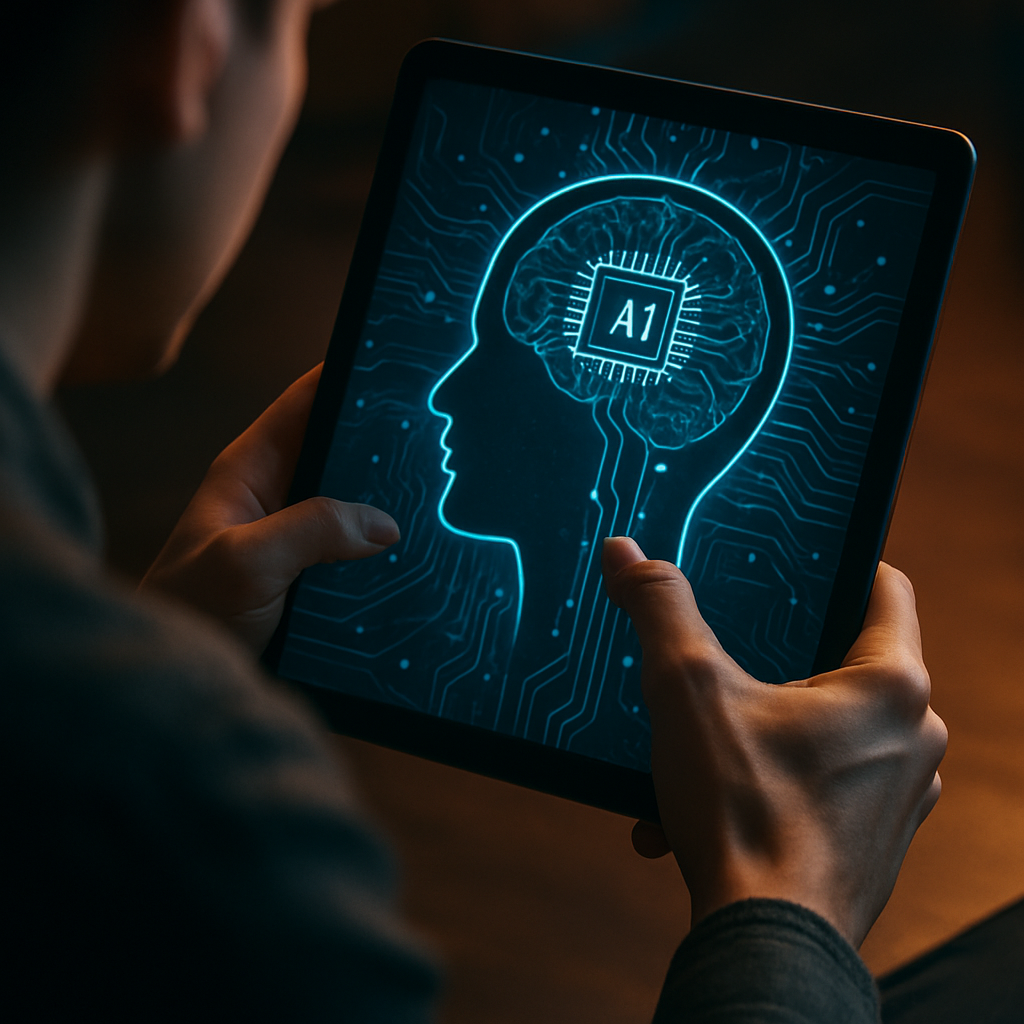
AI Governance in Physical Spaces
As autonomous AI systems begin to transition from digital realms into tangible environments—think warehouses, delivery networks, and public spaces—an urgent question arises: Do our existing AI governance frameworks adequately cover these physical manifestations of AI? This shift is not merely a technical evolution; it poses significant implications for safety, ethics, and regulatory compliance.
The Current Landscape
Most frameworks for AI governance have primarily focused on issues arising in software contexts. These include:
- Bias in AI decision-making
- Misinformation dissemination
- Harmful content generation
However, as AI systems become embodied in the real world, the stakes increase. Incidents involving autonomous vehicles, delivery drones, and even robotic assistants highlight the potential for physical harm, ethical dilemmas, and accountability challenges.
Why It Matters
The integration of AI into physical spaces raises critical questions about responsibility and oversight. If an autonomous system causes harm, who is liable? How do we ensure these systems operate safely and ethically in environments populated by humans? These questions underscore the need for a robust governance framework that extends beyond traditional software concerns.
Practical Takeaways
Organizations and policymakers must consider the following strategies to address the governance of AI in physical spaces:
- Develop Comprehensive Frameworks: Existing AI governance models need to be adapted to include physical interactions and the unique challenges they present.
- Engage Stakeholders: Collaboration among technologists, ethicists, and community representatives is essential to create well-rounded policies.
- Implement Safety Protocols: Establish clear safety standards and protocols for the deployment of autonomous systems in public and private spaces.
Moving Forward
The emergence of autonomous AI systems in physical environments is a transformative shift that necessitates a reevaluation of our governance strategies. By proactively addressing these challenges, we can harness the potential of AI while safeguarding ethical standards and public safety.
If you’re looking to navigate the complexities of AI implementation in your business, BlockNova offers expert services in AI consulting, AI agent architecture, self-hosted LLM/AI agent hosting, and server hosting. Let’s work together to create a responsible AI future.
Source: Autonomous AI systems test governance in physical environments


0 Comments