
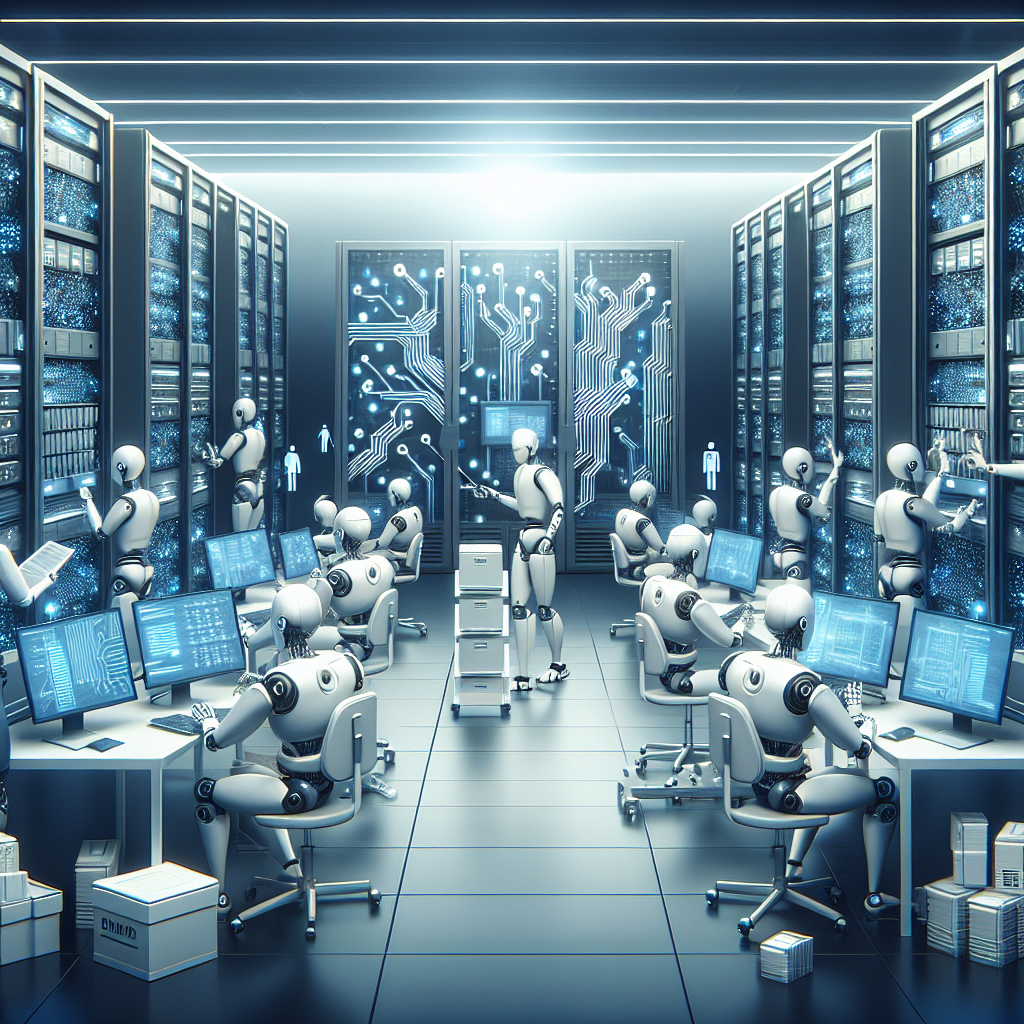
Boosting Performance with Multi-Agents
In a rapidly evolving digital landscape, organizations are increasingly turning to multi-agent architectures to enhance performance, scalability, and reliability. As outlined in a recent article on Made by Agents, there are several key architectures and patterns that can help businesses structure agents for complex workflows effectively.
Understanding Multi-Agent Architectures
Multi-agent systems consist of multiple interacting agents, each designed to perform specific tasks. This approach allows for parallel processing, which can significantly improve overall system efficiency. Here are five notable architectures:
- Reactive Agents: These agents respond to changes in their environment in real-time, making them ideal for dynamic situations.
- Deliberative Agents: With a focus on planning and decision-making, these agents analyze data and predict outcomes before taking action.
- Hybrid Agents: Combining reactive and deliberative approaches, hybrid agents can adapt to various scenarios effectively.
- Collaborative Agents: These agents work together to achieve common goals, enhancing teamwork and resource sharing.
- Mobile Agents: Capable of moving across networks, mobile agents can gather data from multiple sources, improving information retrieval.
Why It Matters
Adopting a multi-agent architecture can lead to significant benefits, including:
- Improved Scalability: As demand grows, adding more agents can help maintain performance without overhauling existing systems.
- Enhanced Reliability: With multiple agents, the system can continue functioning even if one or more agents fail.
- Increased Flexibility: Organizations can quickly adapt to new challenges by deploying different types of agents as needed.
Practical Takeaways
For businesses looking to implement multi-agent systems, consider the following steps:
- Assess your current workflows to identify areas where agents can streamline processes.
- Choose the right architecture based on your specific needs and operational goals.
- Invest in training for your team to ensure they understand how to leverage these technologies effectively.
Conclusion
Incorporating multi-agent architectures can significantly enhance your organization’s operational efficiency and adaptability. As we continue to navigate the complexities of the digital age, embracing these systems will be crucial for staying competitive.
If you’re interested in exploring how AI can transform your business, consider partnering with BlockNova. Our services include AI consulting, AI agent architecture, self-hosted LLM/AI agent hosting, and server hosting. Let’s work together to unlock the full potential of AI in your organization!



0 Comments