
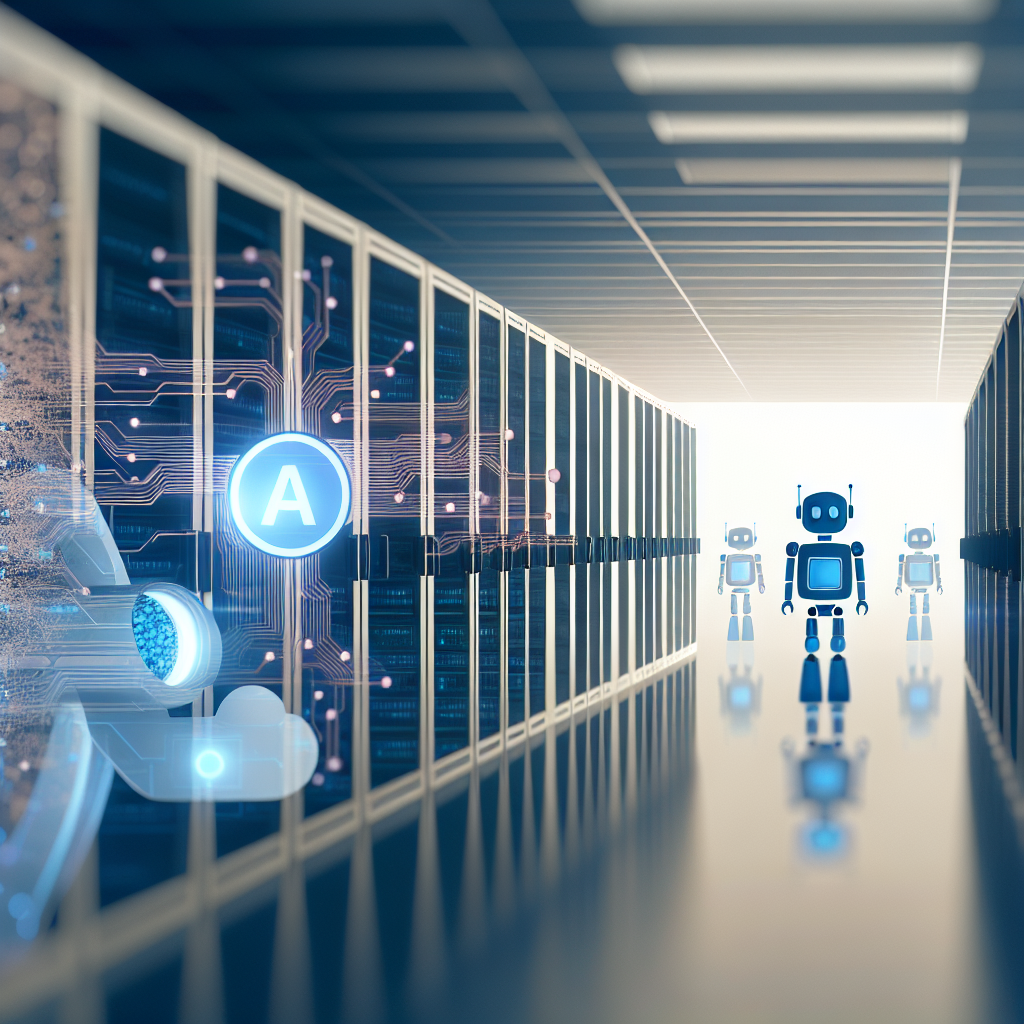
Boosting AI with Multi-Agent Architectures
In the rapidly evolving landscape of artificial intelligence, multi-agent architectures have emerged as a game-changer. By facilitating the collaboration of multiple agents, these architectures enhance performance, scalability, and reliability. In this article, we delve into five notable multi-agent architectures, explore their common patterns, and discuss how they can be structured to tackle complex workflows.
Understanding Multi-Agent Architectures
Multi-agent systems consist of multiple interacting intelligent agents, each capable of autonomous decision-making. These agents can work together to solve problems, share information, and achieve common goals. The rise of these systems is significant because:
- They mimic human collaboration, leading to more natural and effective solutions.
- They allow for distributed processing, which enhances scalability and efficiency.
- They improve fault tolerance, as the failure of one agent does not compromise the entire system.
Key Architectures to Explore
Here are five multi-agent architectures that stand out:
- Federated Learning: Agents learn from decentralized data while preserving privacy.
- Hierarchical Architectures: Organize agents in layers, where higher-level agents manage lower-level ones.
- Cooperative Multi-Agent Systems: Agents work collaboratively towards shared objectives, optimizing outcomes.
- Competitive Multi-Agent Systems: Agents compete to achieve their goals, often leading to innovative solutions.
- Hybrid Architectures: Combine different approaches to leverage the strengths of each.
Why This Matters
Implementing multi-agent architectures can significantly enhance the capabilities of AI systems. As businesses increasingly rely on AI for decision-making, understanding these architectures is crucial. They allow organizations to:
- Adapt to changing environments quickly.
- Process large volumes of data more efficiently.
- Enhance the robustness of AI solutions.
Practical Takeaways
To leverage the benefits of multi-agent architectures, consider the following steps:
- Assess your organization’s needs and identify areas where multi-agent systems can add value.
- Experiment with different architectures to find the best fit for your workflows.
- Invest in training and resources to ensure your team is equipped to implement and manage these systems effectively.
Conclusion
As we continue to explore the potential of AI, multi-agent architectures stand out as a powerful tool for enhancing performance and scalability. By structuring agents for complex workflows, organizations can unlock new levels of efficiency and innovation.
At BlockNova, we specialize in AI consulting, agent architecture, self-hosted LLM/AI agent hosting, and server hosting. Let us help you navigate the complexities of AI and implement solutions that drive success. Reach out to discover how we can support your AI journey!



0 Comments