
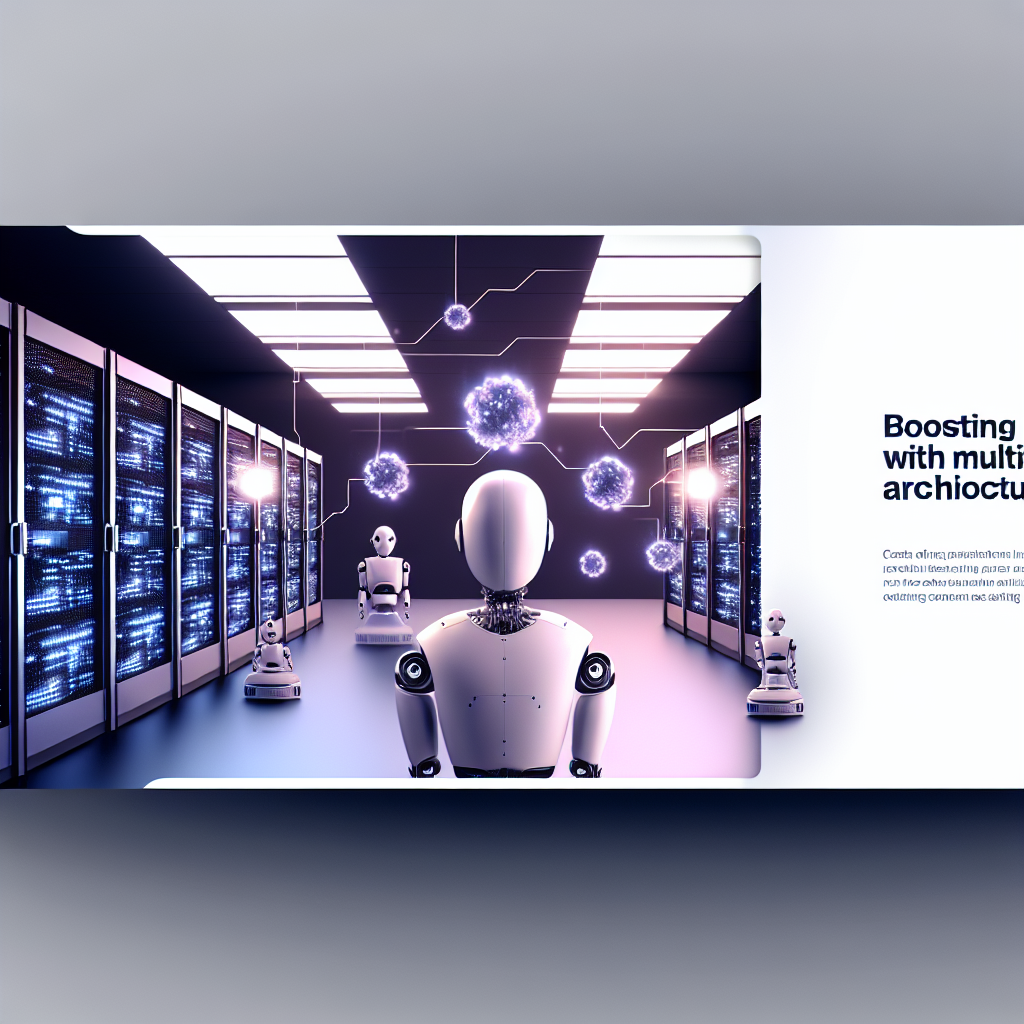
Boosting AI with Multi-Agent Architectures
In recent years, the field of artificial intelligence has seen a significant shift towards the implementation of multi-agent architectures. These systems, which consist of multiple interacting agents, are proving to be transformative for enhancing performance, scalability, and reliability in complex workflows. In this article, we’ll explore five noteworthy multi-agent architectures and discuss why they matter in today’s AI landscape.
Understanding Multi-Agent Architectures
Multi-agent architectures involve the collaboration and coordination of multiple autonomous agents to achieve common goals. This approach allows for:
- Improved problem-solving capabilities
- Increased scalability for larger systems
- Enhanced resilience through redundancy
As we delve into the various architectures, it becomes clear that they can be tailored to suit specific applications, making them versatile tools in AI development.
Key Architectures to Consider
Here are five multi-agent architectures that stand out:
- Centralized Architecture: One agent controls others, simplifying coordination but potentially creating a single point of failure.
- Decentralized Architecture: Agents operate independently, enhancing robustness but requiring more complex communication protocols.
- Hierarchical Architecture: Organizes agents into layers, improving manageability and oversight.
- Federated Architecture: Allows agents to collaborate across different systems, promoting interoperability.
- Coalition-Based Architecture: Agents form temporary groups to tackle specific tasks, optimizing resource usage.
Why It Matters
The shift towards multi-agent systems is not just a trend; it’s a necessity for addressing the growing complexity of AI applications. As industries increasingly rely on AI for decision-making, the ability to structure agents for complex workflows is crucial. Multi-agent architectures facilitate:
- Faster response times in dynamic environments
- More efficient resource allocation
- Improved adaptability to changing conditions
Practical Takeaways
For organizations looking to implement multi-agent architectures, consider the following:
- Assess your specific needs—what problems are you trying to solve?
- Choose an architecture that aligns with your operational goals and scalability requirements.
- Invest in robust communication protocols to enhance agent interaction and collaboration.
Conclusion
As the AI landscape continues to evolve, embracing multi-agent architectures can significantly enhance your system’s capabilities. By leveraging the strengths of various architectures, organizations can improve their AI solutions’ performance and reliability.
If you’re looking to explore the potential of AI in your business, consider partnering with BlockNova. Our services include AI consulting, AI agent architecture design, self-hosted LLM/AI agent hosting, and server hosting. Let us help you unlock the full potential of AI for your organization!

0 Comments